
Molecular Metabolism and Advanced Cell-Based Model Services
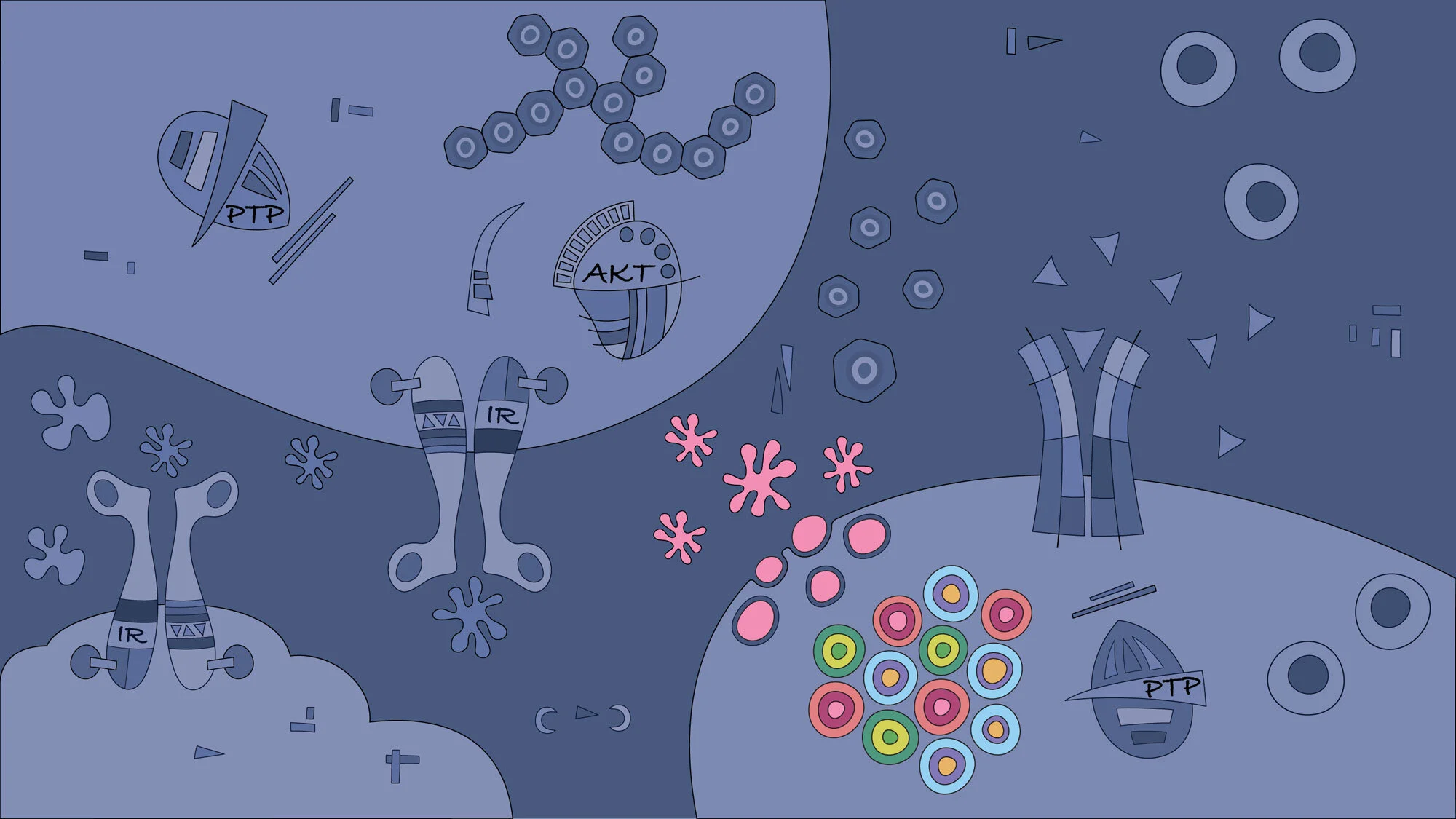
The Signal Transduction and Metabolism Laboratory (STML) at the Université libre de Bruxelles (ULB) provides specialized research services and collaborative platforms for pharmaceutical and biotechnology companies developing innovative therapies in metabolic diseases, diabetes, obesity, liver disorders, inflammation, and regenerative medicine.
With internationally recognized expertise in metabolic signaling and disease mechanisms, STML offers industry partners access to advanced cellular models, molecular profiling approaches, and functional metabolic assays to support target identification, target validation, mechanism-of-action studies, biomarker discovery, and preclinical candidate evaluation.
STML’s molecular metabolism and cell culture services include:
Human stem cell-derived metabolic models
Generation and characterization of human pluripotent stem cell (hPSC)-derived metabolic cell models, including:
Pancreatic endocrine cells and insulin-producing β-cell models.
Hepatic cell models relevant to metabolic dysfunction-associated steatotic liver disease (MASLD), liver inflammation, and liver cancer.
Development of disease-relevant cellular systems for therapeutic screening and validation.
Functional comparison between stem cell-derived models and primary human or animal tissues.
Genome engineering and target validation platforms
CRISPR/Cas-based genome editing for:
Gene knockout and gene activation/inhibition studies.
Validation of therapeutic targets.
Investigation of disease-associated genetic mechanisms.
Generation of genetically engineered cellular models to support drug discovery programs.
Functional metabolic profiling
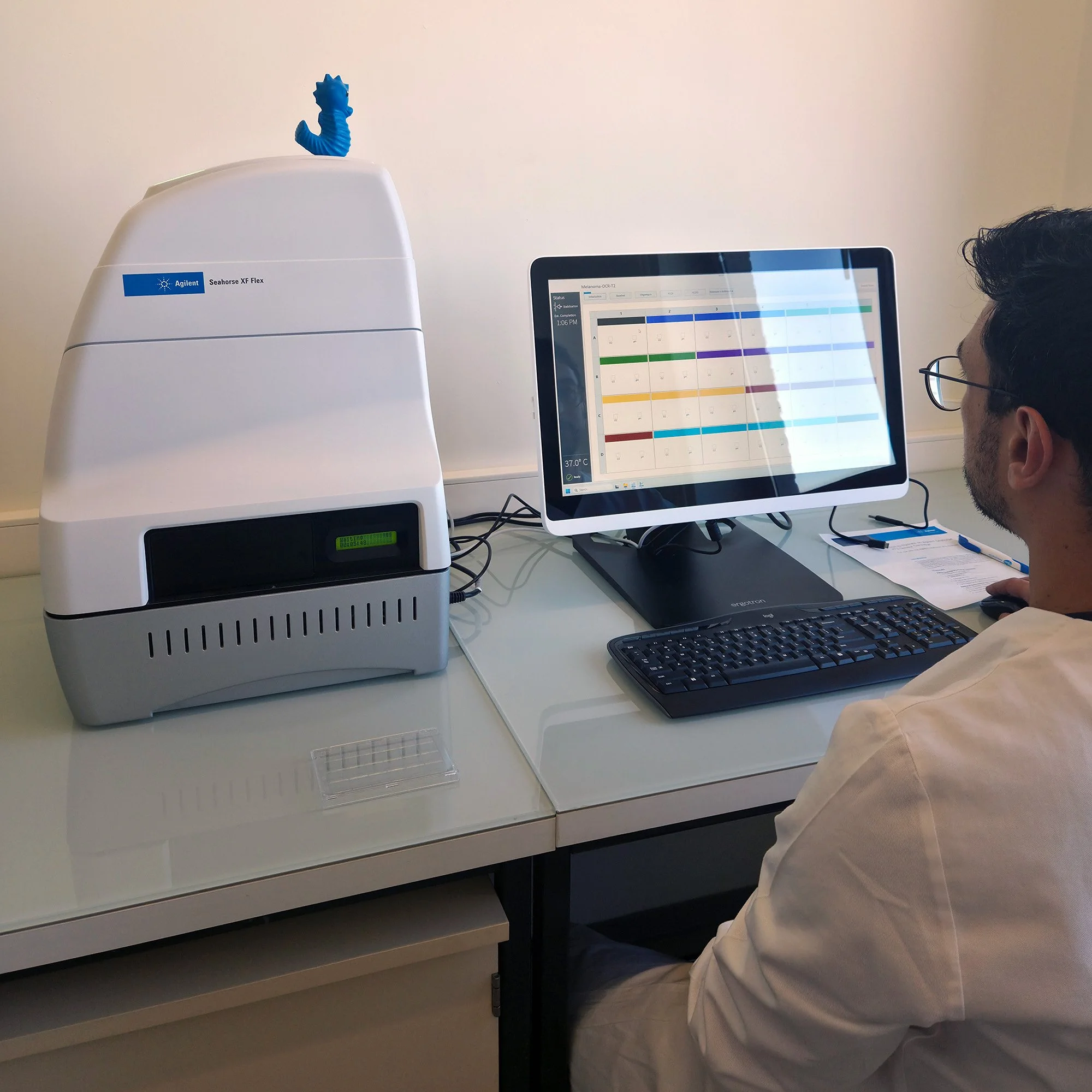
Comprehensive assessment of cellular metabolism using advanced extracellular flux technologies:
Quantification of:
Mitochondrial respiration.
Glycolytic activity.
ATP production.
Glucose, 2-deoxyglucose, free fatty acids, amino acids, etc.
Metabolic adaptation following genetic or pharmacological intervention.
Application to cell lines, primary cells, stem cell-derived models, and tissue preparations.
Molecular signaling and biomarker analysis
Characterization of signaling pathways involved in:
Insulin signaling.
Inflammatory pathways.
Cellular stress responses.
Metabolic adaptation mechanisms.
Integrated molecular analysis including:
Gene expression profiling.
Protein expression and phosphorylation analysis.
Validation of pathway modulation following treatment.
Cellular functional assays for therapeutic development
STML supports pharmaceutical development programs through:
Drug mechanism-of-action studies.
Functional validation of candidate targets.
Assessment of metabolic efficacy and toxicity-related effects.
Identification of cellular biomarkers associated with therapeutic response.
STML provides flexible collaboration models adapted to industrial needs, including confidential research collaborations, subcontracted studies, and joint translational research programs with pharmaceutical companies and emerging biotechnology companies.
Support our research
You have the opportunity to become a supporter of the work being undertaken at the Signal Transduction & Metabolism Laboratory - your support will help the new generation of junior researchers become experienced scientists and may make a difference in the search of better treatments for diabetes and liver cancer.
